
The Enterprise Readiness Operating Model™
Institutionalize the judgment that makes your enterprise durable.
The Enterprise Readiness Operating Model™ is the architecture behind every Corvata engagement: where value lives, how maturity holds, and how decisions move through leadership without depending on any one person.
Most organizations don’t struggle because leadership lacks strategy. They struggle because the operating architecture underneath the strategy can’t sustain disciplined decision-making as the business grows, changes, or changes hands. The Enterprise Readiness Operating Model is Corvata’s framework for understanding that architecture and strengthening it on purpose, rather than letting it accumulate by habit.
The model rests on three components that work together to determine whether an enterprise can eventually stand on its own.
The Enterprise Readiness Operating Model™
The Enterprise Readiness Operating Model (EROM™) creates a cohesive operating architecture that ensures decisions are made clearly, executed consistently, and sustained across leadership transitions.
It is not a transaction model. It is an enterprise durability model.
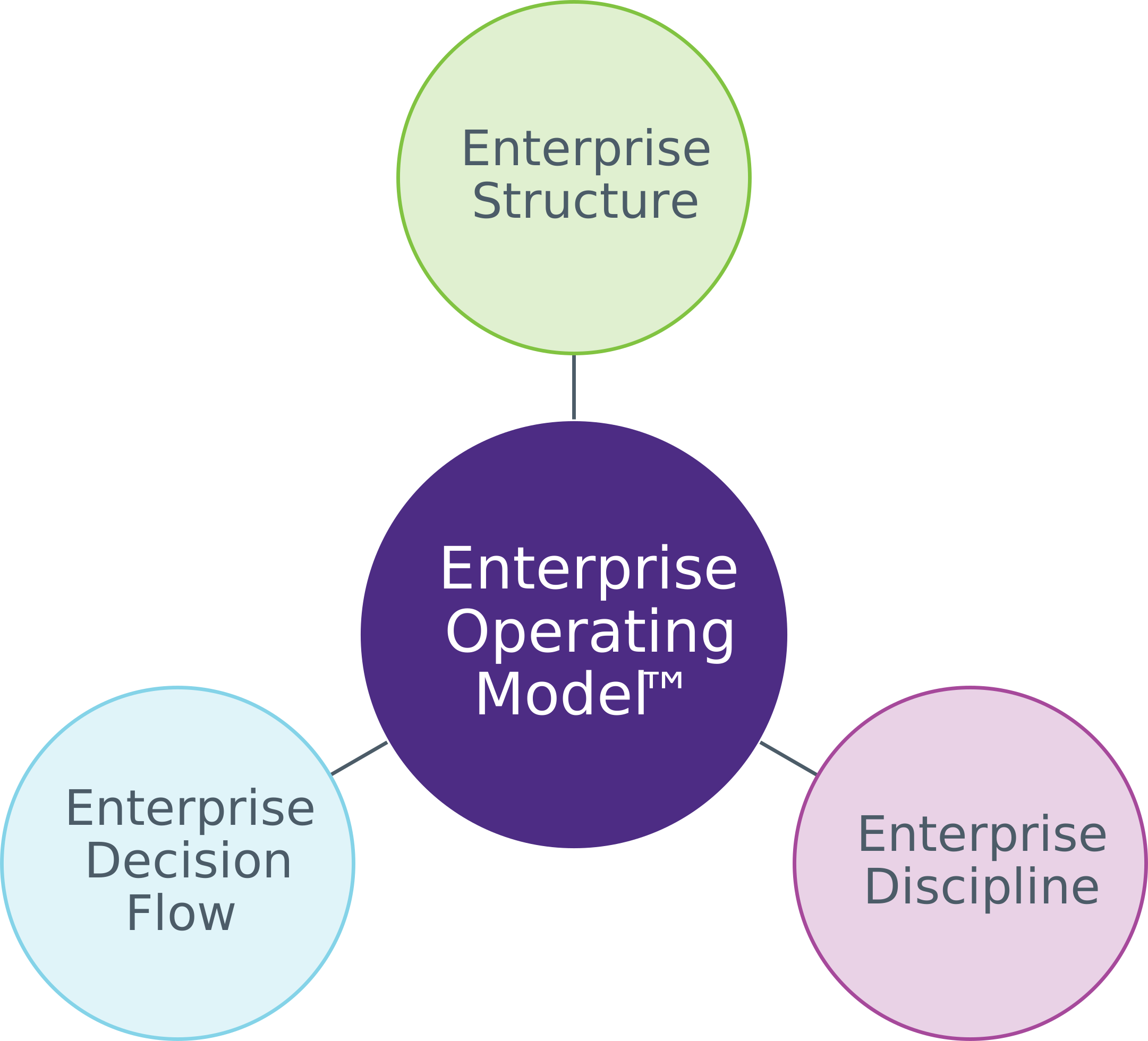
The model is built on three integrated components:
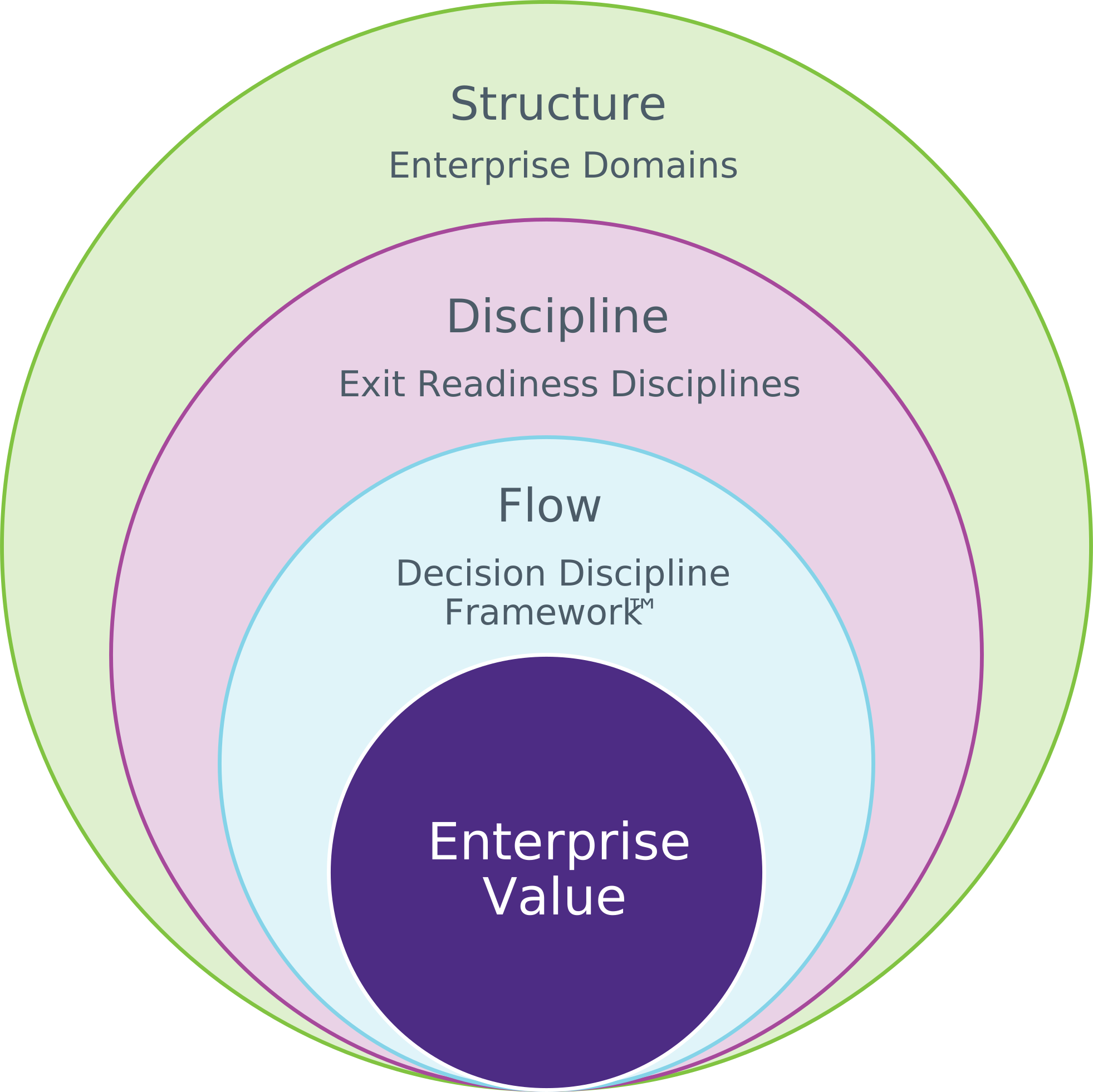
- Enterprise Structure – Where value lives
- Enterprise Discipline – How that value gets stabilized
- Enterprise Decision Flow – How judgment moves
Remove any one of these and the system weakens. Together, they form a durable enterprise capable of sustaining value independent of any single individual.
Structure. Discipline. Flow.
The Corvata Enterprise Readiness Operating Model (EROM) is a structured framework designed to institutionalize judgment inside an organization.
Enterprise Structure
The Ten Enterprise Domains
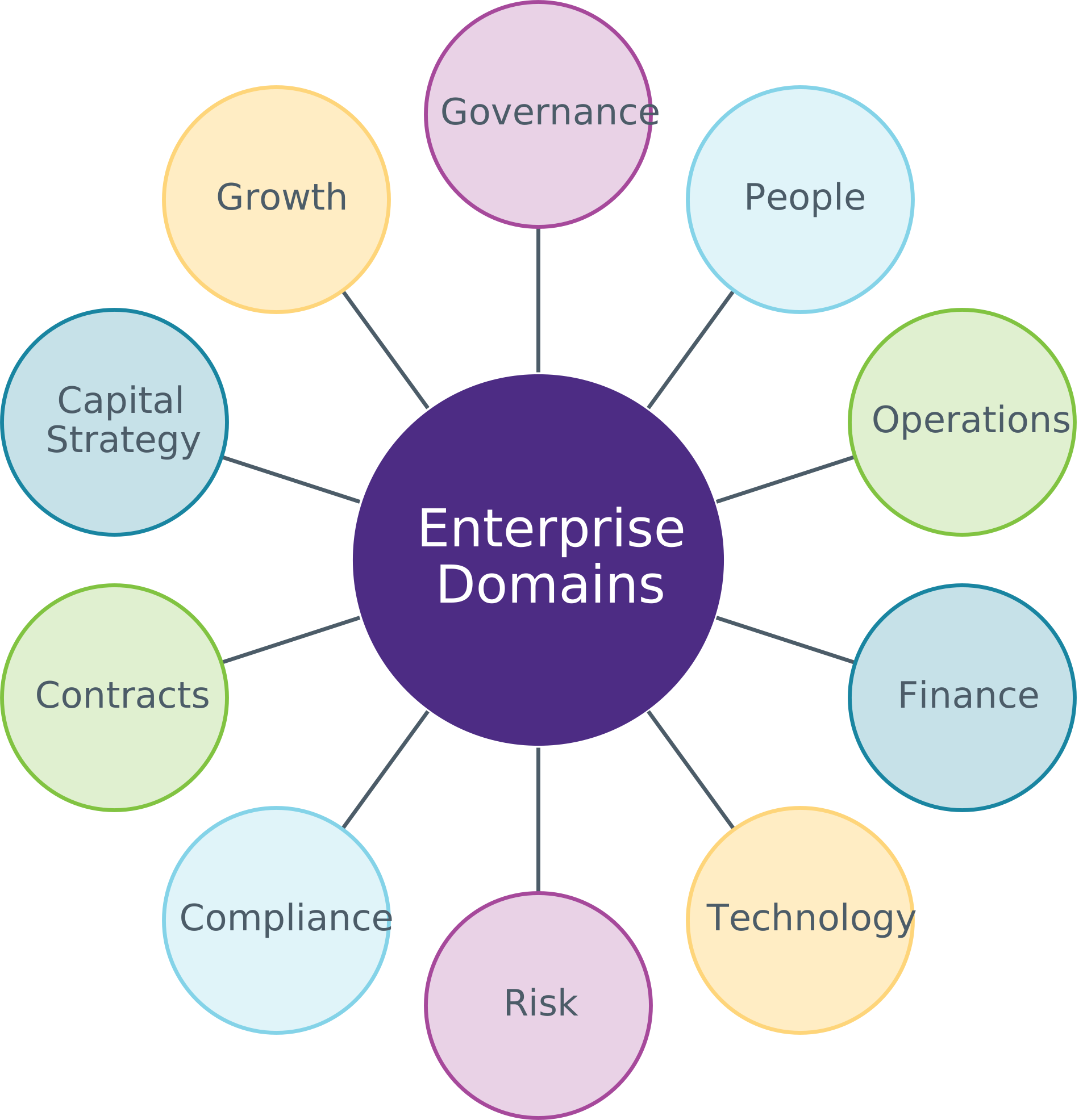
Every business is built from a set of functional domains. These are the Ten Enterprise Domains, and each one holds a piece of the enterprise’s real value. A company can look strong on the surface while several of these domains remain underdeveloped, and that gap is exactly what surfaces during a buyer’s diligence, a leadership transition, or a period of rapid growth.
Enterprise Structure defines the functional architecture of the business. These are the domains where value is created, protected, and transferred. As outlined in the model, enterprise value does not exist in the abstract. It exists inside the integrity and maturity of specific operating domains.
The Six Exit Readiness Disciplines
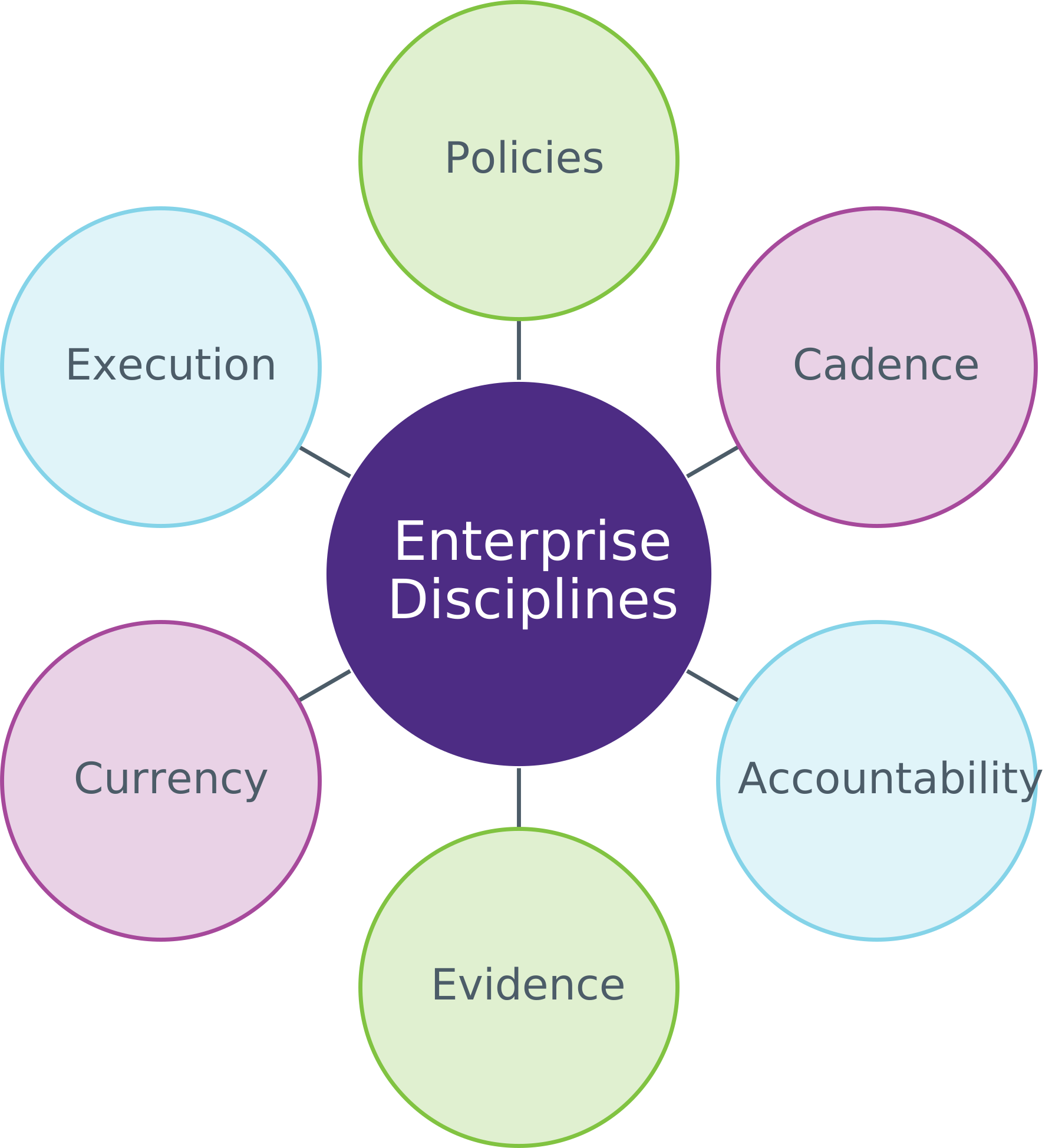
Structure alone isn’t enough. Six disciplines determine whether each domain actually functions with consistency: policies, cadence, accountability, evidence, currency, and execution. These are the Enterprise Disciplines, and they’re what separate a business that runs well because a few key people are paying close attention from one that runs well because the systems are built to hold.
Enterprise Decision Flow
Decision Discipline, Maturity, & Failure
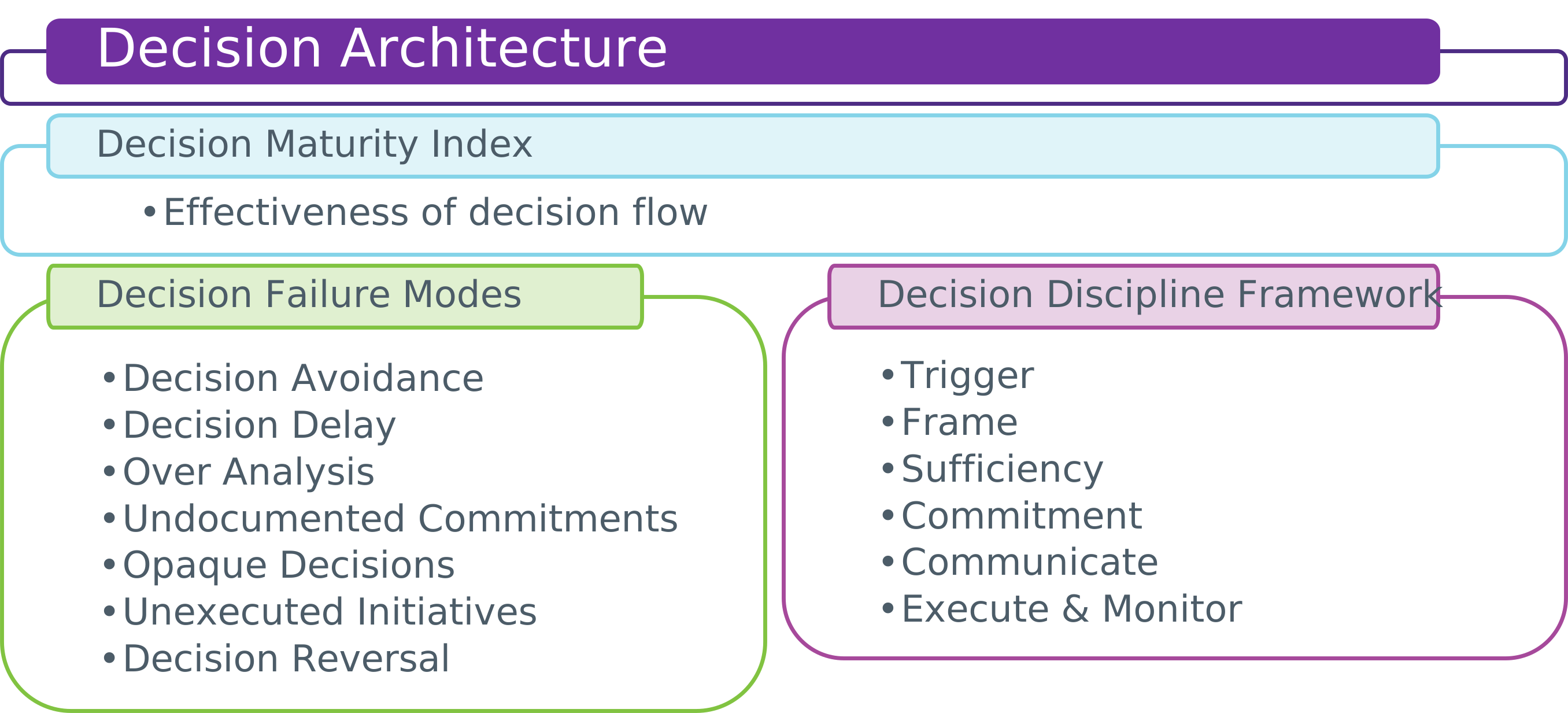
Structure and discipline only matter if decisions actually move cleanly through the organization; that’s the job of the Decision Discipline Framework, and the Decision Maturity Index measures how well it’s working in practice.
If Structure defines where value lives and Discipline stabilizes it, Flow powers it.
Every enterprise runs on decisions. Every domain is a system of recurring decisions.
Integration Into the Enterprise Readiness Assessment
The Enterprise Readiness Assessment evaluates maturity across the ten Enterprise Domains. Rather than treating each domain as a single score, the assessment evaluates every domain across three dimensions, matching the three components of the Enterprise Readiness Operating Model itself:
- Structure Maturity — how clearly authority, ownership, and value are defined within the domain
- Discipline Maturity — how consistently the Six Enterprise Disciplines, policies, cadence, accountability, evidence, currency, and execution, are actually functioning within the domain
- Decision Maturity — how effectively decisions move within the domain, assessed through the Decision Discipline Framework and measured using the Decision Maturity Index’s six dimensions: clarity of decision rights, velocity of decision-making, documentation standards, communication alignment, execution consistency, and outcome review and refinement
This layered evaluation produces a readiness profile rather than a single compliance score, a more accurate measure of how durable the enterprise actually is.
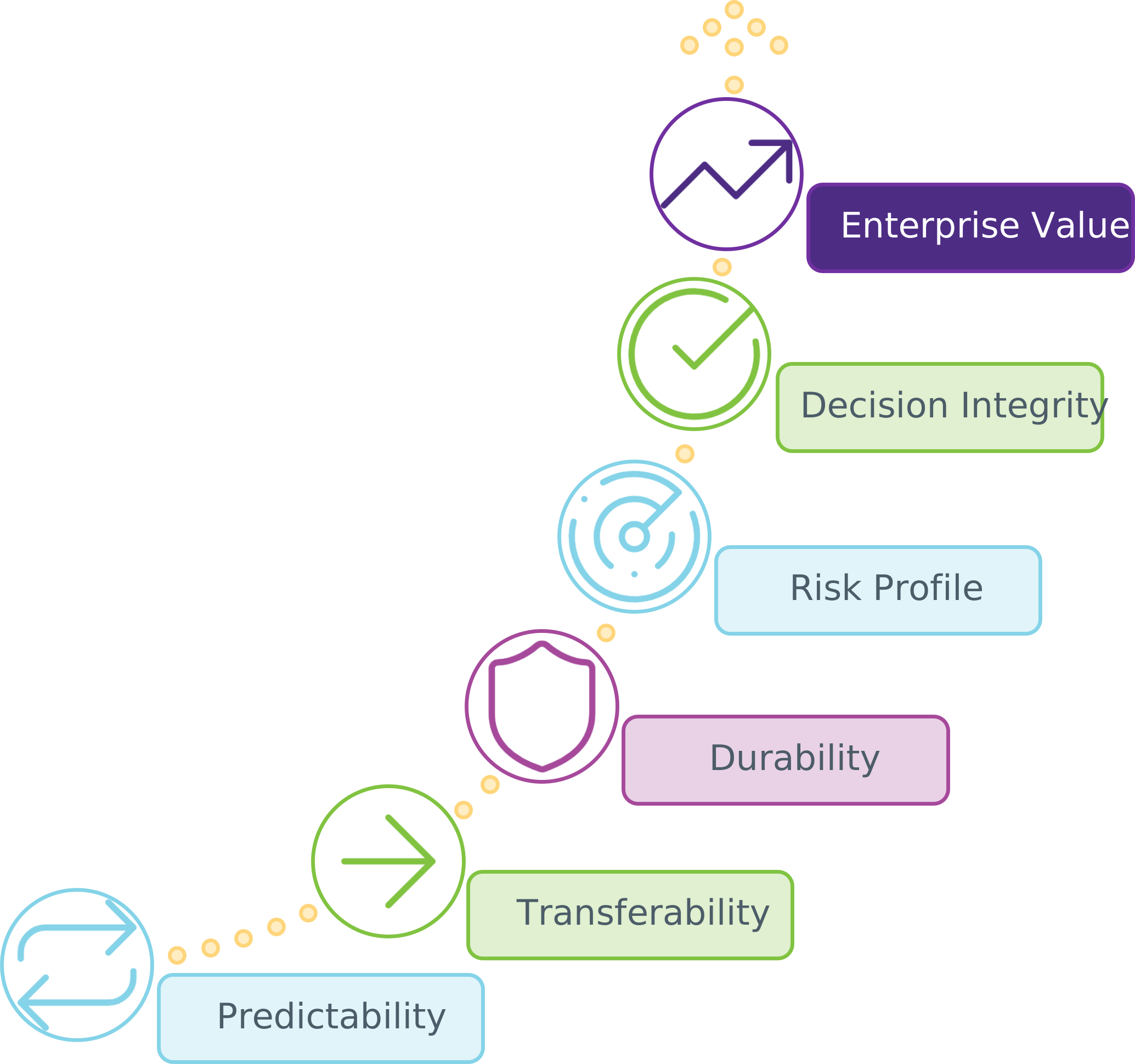
Why does Corvata lead with this model?
The operating model is what allows Corvata to remain independent, consistent, and objective.
Rather than reacting to symptoms, the model helps identify root causes, interaction effects across disciplines, and false signals created by growth or short-term success. This keeps advisory work focused on what truly matters to enterprise value and resilience.
Is your enterprise ready to stand on its own?
Every ownership and leadership transition journey starts with an honest look at how the enterprise actually operates. If you’re ready to have that conversation, we’re ready to have it with you.