
ENTERPRISE DISCIPLINE
Structure holds only when discipline stabilizes it.
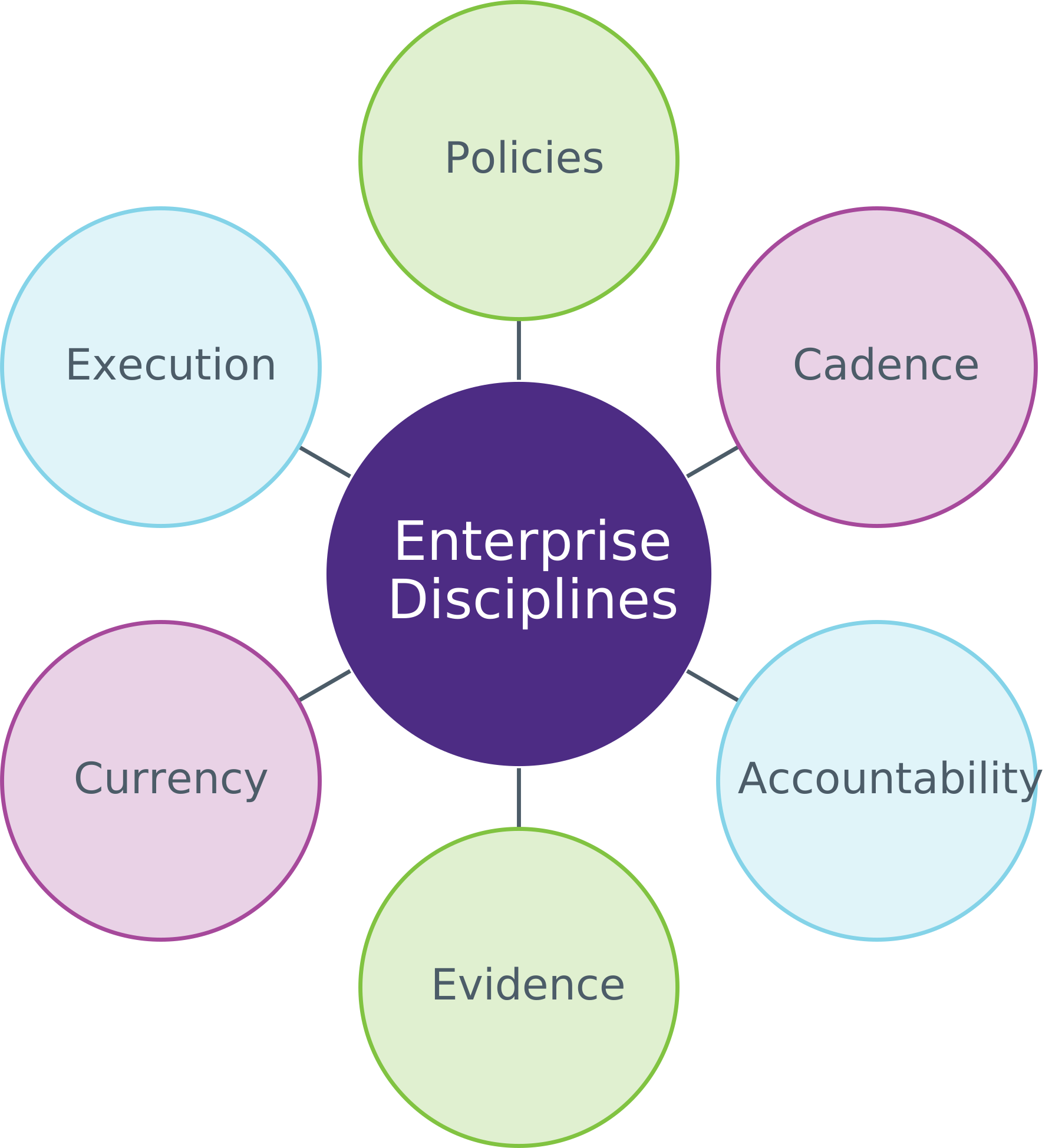
The Six Enterprise Disciplines convert informal leadership behavior into institutionalized, repeatable standards. Every domain runs through the same six.
The Ten Enterprise Domains describe where value lives in the business. They don’t, by themselves, say anything about whether that value is stable. A domain can exist in name, a finance function, a compliance program, a governance structure, without actually operating with any discipline behind it. The Six Enterprise Disciplines are what determine whether a domain holds up under pressure or depends entirely on the people currently running it.
The Disciplines
- Policies — clear rules and standards that define how decisions get made, not just what the company hopes will happen
- Cadence — structured rhythms of meetings, reporting, and review, so critical issues surface on a schedule instead of by accident
- Accountability — defined ownership of outcomes, so responsibility doesn’t default to whoever’s paying closest attention
- Evidence — documentation that decisions and actions actually occurred, not just that a process exists on paper
- Currency — processes and information that stay current, rather than accurate the day they were written and stale ever since
- Execution — consistent follow-through, so decisions turn into results instead of good intentions
These disciplines apply across every domain, not just one. A company might have well-documented policies in finance and none in operations. Strong cadence in leadership meetings and none in project delivery. Enterprise readiness isn’t about excelling in one domain. It’s about these six disciplines holding steady across all ten.
Structure and discipline still aren’t enough on their own. Judgment also has to move cleanly through the organization, which is where the Decision Discipline Framework comes in.
Is your enterprise ready to stand on its own?
Every ownership and leadership transition journey starts with an honest look at how the enterprise actually operates. If you’re ready to have that conversation, we’re ready to have it with you.
Not ready to talk yet? Start with a five-minute look at where you stand.
The Corvata Enterprise Readiness Indicator (ERI) is an 18-question self-assessment designed to give business owners a fast, structured read on their organization’s institutional maturity — the degree to which the enterprise can perform, sustain value, and execute independently of any single person. Your results will identify which of four business archetypes best describes your organization today, and where the most likely opportunities for reinforcement lie. Delivered on-screen immediately upon completion.